


 05. Februar 2025
  0 Kommentar
Edelstahl 304 und 316 sind zwei der am häufigsten in der Fertigung verwendeten Stahlsorten.
Beide bieten Haltbarkeit und Korrosionsbeständigkeit, aber 316 ist aufgrund des zugesetzten Molybdäns in rauen Umgebungen überlegen.
Wenn die Kosten eine Rolle spielen und Korrosionsbeständigkeit kein großer Faktor ist, ist Edelstahl 304 eine budgetfreundlichere Option.
Lassen Sie uns die wichtigsten Unterschiede durchgehen, damit Sie entscheiden können, welches Ihren Anforderungen besser entspricht.
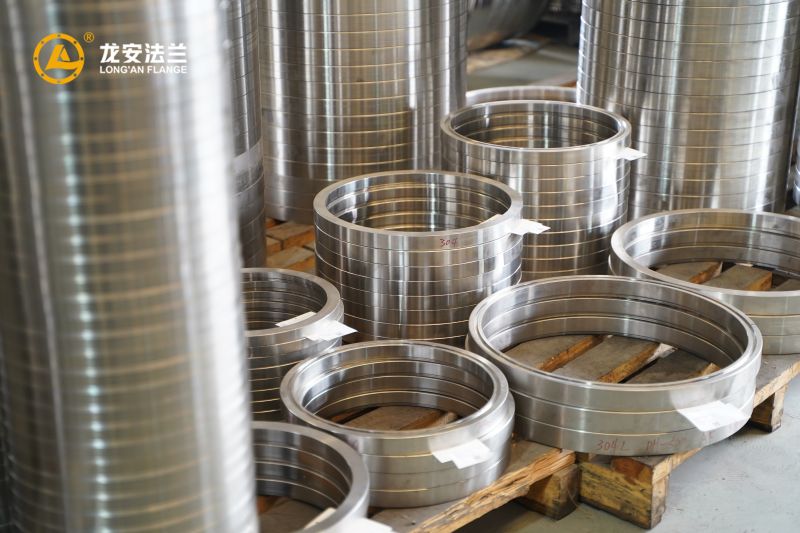
Der Hauptunterschied besteht in der Korrosionsbeständigkeit.
316 enthält Molybdän, was es sehr beständig gegen Salz, Säuren und Industriechemikalien macht.
304 ist langlebig und rostbeständig, kann aber in Umgebungen mit hohem Chloridgehalt oder im Meeresbereich dennoch korrodieren.
So vergleichen Sie sie:
| Besonderheit | 304 Edelstahl | 316 Edelstahl |
| Korrosionsbeständigkeit | Gut, aber nicht für Salz oder Chemikalien | Am besten für maritime und chemische Anwendungen |
| Molybdängehalt | Keiner | 2-3% für zusätzliche Haltbarkeit |
| Kosten | Erschwinglicher | 20-30% teurer |
| Stärke | Stark, aber etwas weniger als 316 | Höhere Festigkeit unter extremen Bedingungen |
| Allgemeine Verwendung | Küchengeschirr, Haushaltsgeräte | Schifffahrt, Medizin, chemische Verarbeitung |
Wenn Ihr Projekt maximale Haltbarkeit erfordert, ist Edelstahl 316 der korrosionsbeständigste Edelstahl.
Wenn Sie nach einem kostengünstigen Allzweckmetall suchen, ist Edelstahl 304 die richtige Wahl.
Ja, Edelstahl 304 eignet sich hervorragend für den allgemeinen Gebrauch.
Es ist langlebig, in den meisten Umgebungen korrosionsbeständig und wird in vielen Branchen eingesetzt.
Da 304 einfacher herzustellen ist und weniger teure Legierungen enthält, ist es die beste Edelstahlsorte für kostenbewusste Anwendungen.
Es ist jedoch nicht ideal für Küstenumgebungen oder Umgebungen mit starker chemischer Belastung, in denen der Kontakt mit Salz und aggressiven Chemikalien zu Lochfraß führen kann.
Wenn Ihre Anwendung Salz, Chemikalien oder extreme Hitze beinhaltet, ist Edelstahl 316 die zusätzlichen Kosten wert.
Der Molybdängehalt verleiht ihm eine bessere Beständigkeit gegen Rost, Lochfraß und scharfe Reinigungsmittel.
Es ist das bevorzugte Material für die Schifffahrts-, Pharma- und chemische Verarbeitungsindustrie.
Wenn Ihre Ausrüstung korrosiven Umgebungen ausgesetzt ist, bietet Edelstahl 316 eine längere Lebensdauer und bessere Leistung.
Jede Sorte hat ihre Stärken, je nach Einsatzgebiet.
Wenn Ihr Projekt keine korrosiven Elemente beinhaltet, ist Edelstahl 304 eine kostengünstige Wahl.
Für alles, was Chemikalien oder Salz ausgesetzt ist, ist Edelstahl 316 die bessere Investition.
Diese Zahlen beziehen sich auf den Chrom- und Nickelgehalt im Edelstahl.
Beide werden für Kochgeschirr, Besteck und medizinische Instrumente verwendet, für hochwertiges Küchengeschirr ist jedoch 18/10 die bevorzugte Wahl.
Nachdem Sie nun die Unterschiede kennen, hängt die Wahl zwischen Edelstahl 304 und Edelstahl 316 von der Anwendung und dem Budget ab.
Wenn die Kosten wichtiger sind als extreme Korrosionsbeständigkeit, ist Edelstahl 304 die bessere Option.
Wenn Ihr Projekt Chemikalien, Salz oder medizinische Anwendungen umfasst, ist Edelstahl 316 die beste Wahl.
Bei Longan Flange liefern wir hochwertige Flansche aus Edelstahl 304 und 316 für Industrie-, Schifffahrts- und Bauanwendungen.
Sehen Sie sich unsere SS-Produkte an oder kontaktiere uns für individuelle Anfragen und Angebote rund um Rohrleitungssysteme oder Flansche.
Edelstahl 304 vs. 316: Was Sie wissen müssen – Unified Alloys

 13. Juni 2026 0 Kommentar
 12. Juni 2026 0 Kommentar
 11. Juni 2026 0 Kommentar
 +86-15727821389 +86-15355931307
 Tel:
Tel: +86-15727821389
 E-Mail:
 mft@longanflange.com
mft001@longanflange.com
 Adresse:
 620 Kongo Mingzhu Road, Yongxing Street, Bezirk Longwan, Stadt Wenzhou, Provinz Zhejiang, China.


